Industry

Practical digital transformation for packaging manufacturing

Packaging operations combine artwork approval, tooling, material availability, high-changeover equipment, quality checks, and delivery commitments. Digital work should make revision and readiness exceptions visible before a job reaches the machine.

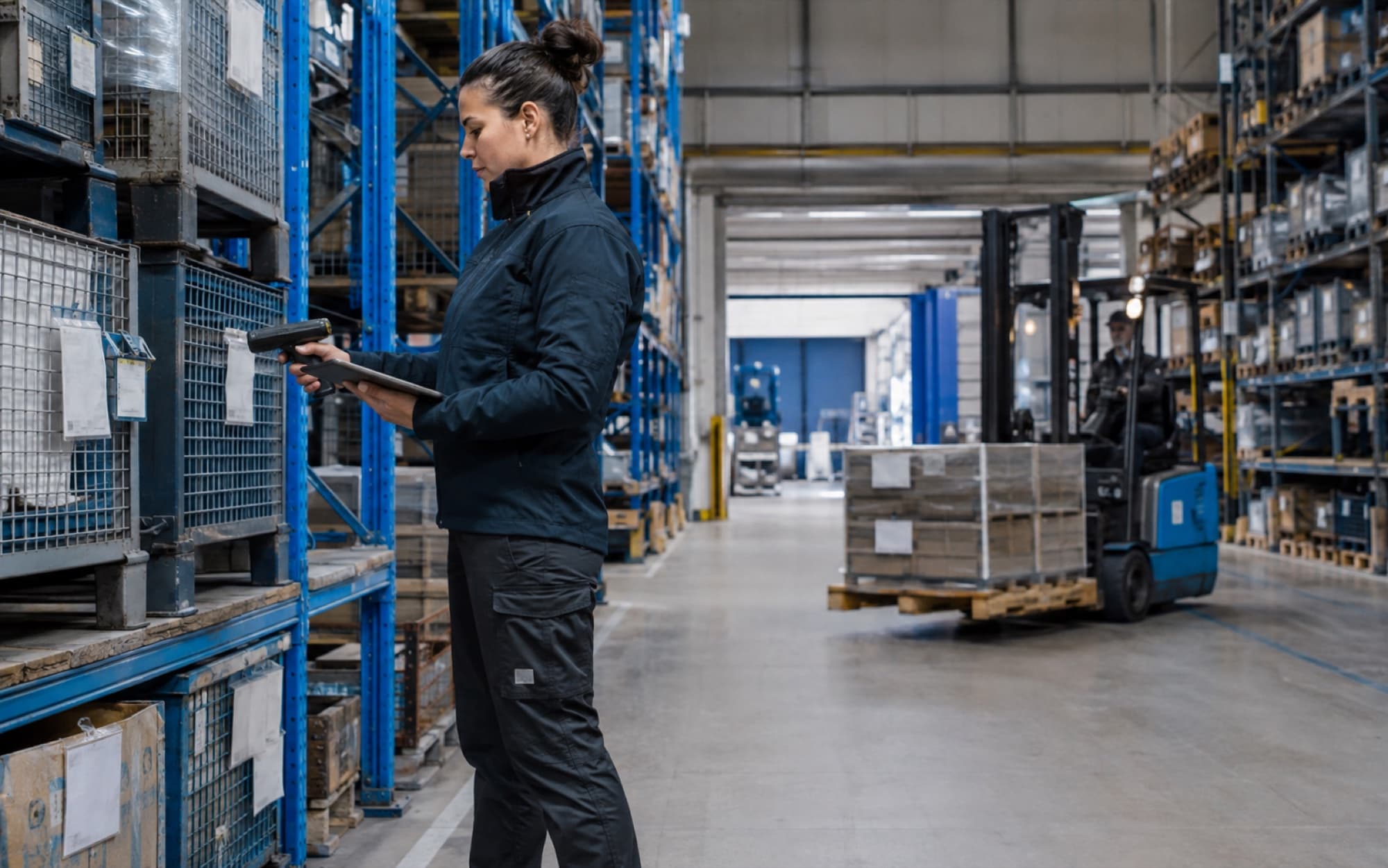
Illustrative manufacturing team reviewing a physical production process
01

Context

Workflows worth understanding first

The implementation should follow the real production and information flow, including corrections and exceptions.

01

Artwork and specification approval

02

Tooling and material readiness

03

Job scheduling and changeover

04

Consumption, scrap, quality, and dispatch

02

Context

Data objects that carry the context

Identifiers, versions, statuses, and timestamps need business owners before integration can be trusted.

01

Artwork, specification, revision

02

Plate/die/cylinder, material lot

03

Job, machine, setup class

04

Output, scrap, inspection, dispatch

03

Context

Operational constraints

These factors change solution design, rollout, and measurement.

01Customer-controlled artwork changes

Validate this with plant and process owners before choosing the implementation boundary.

02Tooling availability and condition

Validate this with plant and process owners before choosing the implementation boundary.

03Color and substrate changeovers

Validate this with plant and process owners before choosing the implementation boundary.

04Short lead times and material volatility

Validate this with plant and process owners before choosing the implementation boundary.

04

Opportunity

Three concrete automation opportunities

These are candidates for assessment, not claims of feasibility or results.

01

Create a revision-controlled job-readiness check

02

Route routine purchase requisitions by limits and budget owner

03

Compare changeovers by meaningful setup class

05

Opportunity

A clearly illustrative workflow

  1. 01
    A proposed preflight workflow could verify approved artwork, tooling, substrate, quality plan, and schedule status, then route missing items to their owners before production release.Define evidence and the exception path
  2. 02
    This example must be tested against actual systems, procedures, connectivity, risks, and user responsibilities.Confirm ownership and handover
06

Opportunity

Practical prerequisites

A credible pilot begins with bounded data, ownership, and acceptance conditions.

01Approved artwork and tooling identifiers

Validate this with plant and process owners before choosing the implementation boundary.

02Job-readiness responsibility

Validate this with plant and process owners before choosing the implementation boundary.

03Purchasing approval matrix

Validate this with plant and process owners before choosing the implementation boundary.

04Consistent material and scrap records

Validate this with plant and process owners before choosing the implementation boundary.

07

Starting point

Measures to define carefully

Each measure needs a formula, data source, comparison context, baseline period, and owner.

01

Jobs released with approved artwork and tooling

02

Routine request approval cycle time

03

Changeover duration by setup class

04

Scrap records with cause and job context

08

Starting point

A sensible initial project

Begin with the readiness gate for one packaging format or the routine purchasing flow supporting it.

Buying questions

Questions to resolve before work starts

These answers establish a practical default. Actual scope follows the systems, process, data, risks, and responsibilities in view.

01Can this work with our existing systems?

Usually, but compatibility must be confirmed. We first identify supported interfaces, data ownership, update frequency, security constraints, and failure behavior. Where a direct connection is unsafe or unavailable, a controlled file exchange or staged replacement may be more appropriate.

02How do you limit disruption during rollout?

We keep the first scope bounded, test with representative data, define rollback and manual fallback procedures, and agree a cutover window with process owners. Safety-critical control remains outside an information-workflow project unless separately assessed by qualified specialists.

03How do we know whether the work is worthwhile?

Agree the metric, definition, baseline period, comparison conditions, data source, owner, and review date before changing the workflow. Released capacity is reported separately from cash savings, and operational outcomes are not attributed to software without comparable evidence.

04Who owns the data and operating documentation?

The client remains responsible for its data and operational decisions. Project terms should identify ownership of configuration, custom code, credentials, runbooks, architecture records, and vendor accounts before implementation begins.

01

Start with one process

Which workflow currently costs your team the most time?

Bring one normal example and one exception. Use them to frame the systems, decisions, controls, and evidence a sensible next step needs.

Discuss your operation